Why isn’t my VO2 max increasing? Tips for improving faster.
Here are five reasons your VO2 max may not be increasing as quickly as you’d like, plus tips for improving your cardiorespiratory fitness.
If you’re trying to improve your fitness but aren’t seeing progress as quickly as you’d hoped, it may be time to learn more about your VO2 max.
Cardiorespiratory fitness, or aerobic performance capacity, is measured in terms of VO2 max. This is defined as the maximum volume of oxygen you can consume per minute for each kilogram of body weight. The higher this value is, the better. Research shows that increasing your VO2 max offers many health and performance benefits.
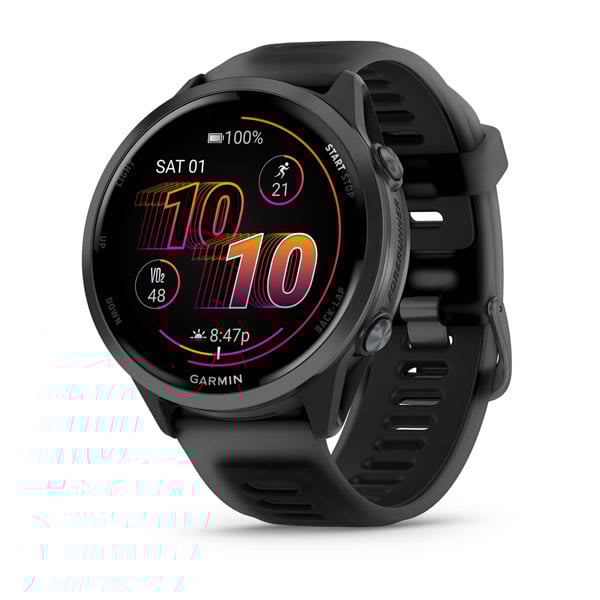
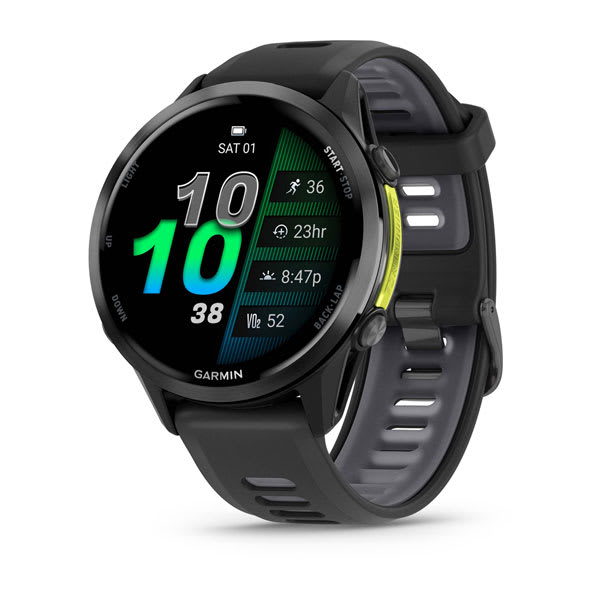
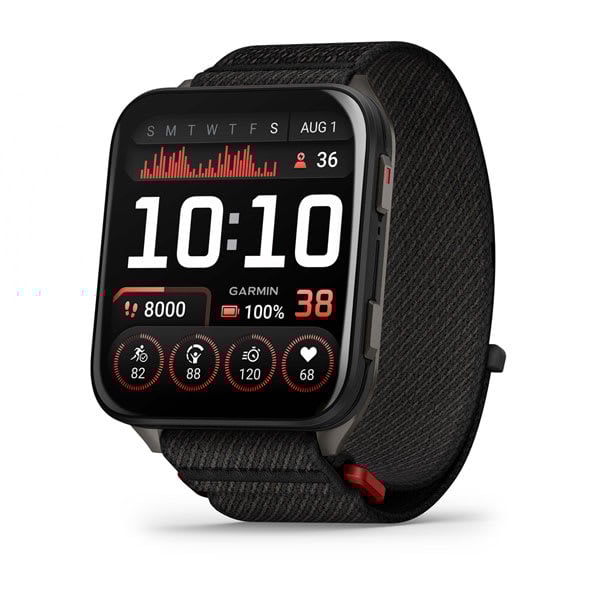
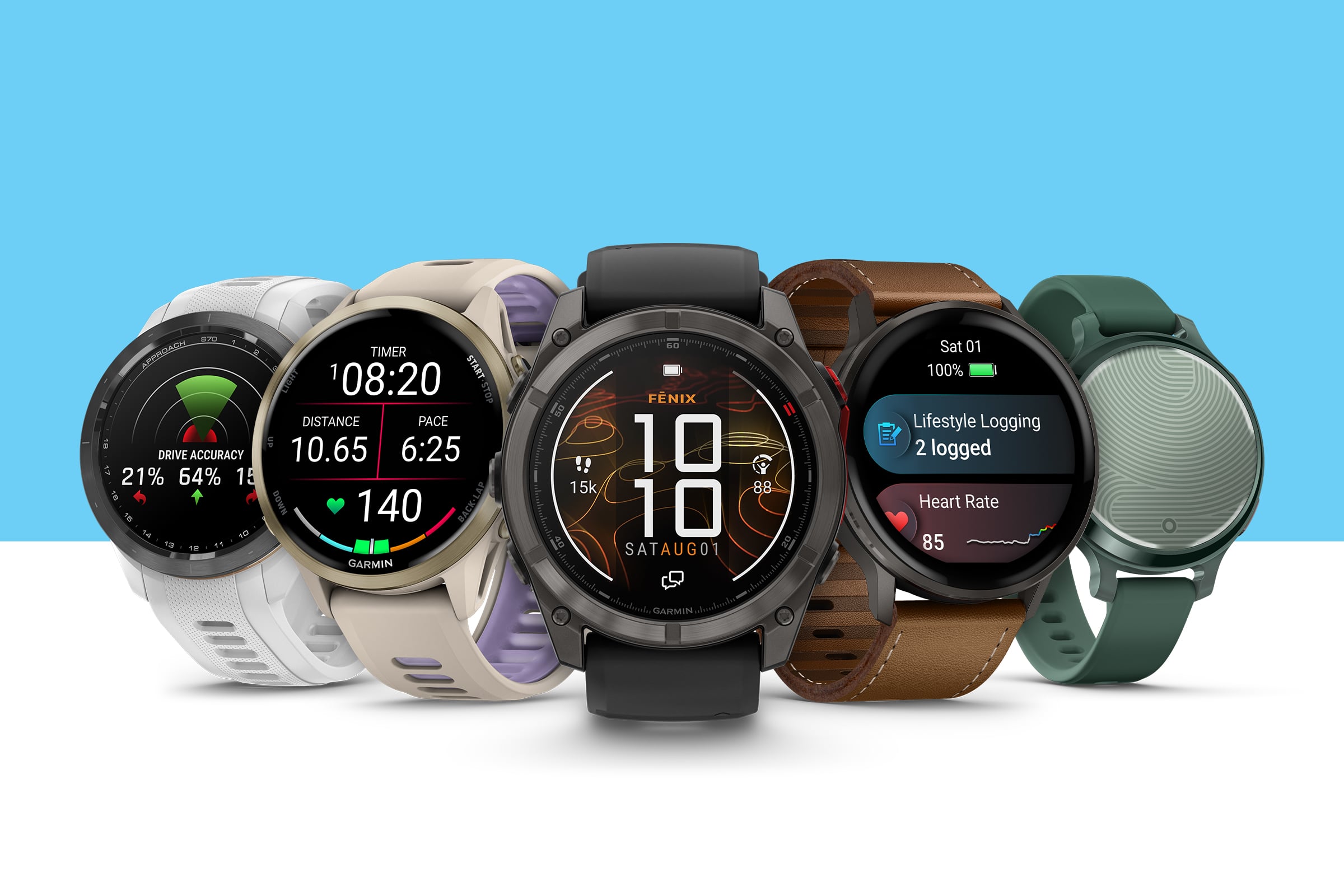
Compatible Garmin smartwatches can estimate your VO2 max during runs and walks. Some also provide a VO2 max estimate when you use the trail running, ultrarunning, cycling or multisport activity profiles.1
Monitoring changes in your VO2 max helps assess the results of your lifestyle and exercise, providing a pathway to improved performance. It can also reveal when your progress stalls, a frustrating experience that may leave you wondering why your VO2 max isn’t improving, what you’re doing wrong and what you can do to improve it.
Here are five common reasons why your VO2 max might not be increasing as quickly as you’d like and what you can do about it.
1. Lack of high-intensity efforts
Different efforts trigger different physiological adaptation. Low- and moderate-intensity workouts are important for overall health, building your endurance base and strengthening your muscles. Although long, low-intensity efforts increase VO2 max, especially if weight loss is involved, research shows that high-intensity workouts more effectively improve your VO2 max fitness level. Hard efforts tell your physiological systems to adapt in ways that boost your ability to produce energy aerobically.
Interval training, a popular and efficient method of adding high-intensity efforts into your training program, is a cornerstone of training programs at any level in many sports. Varying workout intensity may be particularly helpful because including the lighter recovery period between hard efforts allows far more time spent at higher intensities than would otherwise be possible.
Free Garmin Coach training plans for running and cycling on the Garmin Connect™ app (which work seamlessly with compatible smartwatches) typically include interval workouts designed specifically to improve VO2 max along with other workouts designed to develop endurance, allow recovery and more.
If you are more of a gym rat, you might instead benefit from the HIIT activity profile available on many Garmin smartwatches. With this tool, you have access to different types of structured HIIT timers such as AMRAP and EMOM, or you can build a custom HIIT workout on Garmin Connect and then execute it on your watch.
Runners and cyclists often use tempo runs and rides to trigger the development of additional aerobic performance capacity. These workouts typically involve running with an intensity of roughly 90% of VO2 max for 40 minutes or longer either in one chunk or broken up into intervals.
2. Inadequate recovery
Another common problem for those struggling to improve their VO2 max is a lack of recovery time. Goal-oriented athletes are often eager to progress and achieve their goals as quickly as possible, but this can lead to counterproductive training that doesn’t allow the body to rebuild between efforts. It’s actually in between workouts that your body gets faster, fitter and stronger. To effectively build performance capacity, you need to be intentional about resting and recovering. Tackling the next hard challenge before recovering from the last one means you’re missing the full benefit triggered by your earlier workout.
If you suspect inadequate recovery is causing a lack of progress, try keeping an eye on your recovery time. This feature on compatible Garmin smartwatches lets you know how long you should wait until your next hard effort (easy runs and rides are fine). This feature is not just a simple timer; it’s personalized to you and responds to stress, daily activity, sleep quality and more.
3. Lack of variety in your efforts
Sometimes jump-starting an increase in VO2 max is as simple as changing your training routine. High-intensity efforts are key to improving your VO2 max, but it’s important to build a strong foundation with a variety of efforts. This is where tools such as training load balance (load focus) come in handy, revealing how your high- and low-intensity aerobic efforts as well as dynamic anaerobic efforts contribute to your overall training load.
It’s also good to change up the details of your workouts to keep them fresh. This can be even more important mentally than physically. Experiment with different cadences, tempos, lengths, durations and peak intensities of your running and cycling workouts.
Including strength and flexibility training in your program can make you more resilient and injury resistant, allowing you to avoid training setbacks — and the resulting fitness setbacks. To easily add these aspects into your routine, you can download a variety of workouts — including strength and yoga — from Garmin Connect to your compatible watch. You could also use Garmin Coach strength training plans (or add supplemental strength training to your Garmin Cycling Coach or Garmin Run Coach program) to increase strength, build muscle or improve your fitness.
If you need help mixing it up, try using adaptive training programs from Garmin Cycling Coach and Garmin Run Coach (both of which use your VO2 max estimate) to automatically adjust your workouts based on your fitness level.
4. Diminishing returns
As in most areas of life, the law of diminishing returns applies to your training. The more fit you are, the harder you must work to improve.
Experienced endurance athletes, who have been training regularly for years, are likely to be near the peak of their personal aerobic performance capacity. For example, a plateau in VO2 max is relatively common for those who have been training and competing in marathons for 5 to 6 years.
It also isn’t realistic for anyone to maintain peak performance year-round. VO2 max offers a key reference for being at your best when it matters most. Trends in your VO2 max — and related insights such as training status on your Garmin smartwatch — reveal how things are going from one week or month to the next.
5. Genetic potential
Our genetics play a huge role in how our bodies grow. Genetics also guide how our physiology adapts in response to the challenges of life and environment. Some people are naturally taller, and others are naturally stronger. Some people have natural advantages in their ability to fuel their performance aerobically.
Not everyone improves at the same rate in response to similar training. It may just be a matter of time before you see the results you’re working toward. Keep challenging yourself regularly, recovering well and getting enough sleep. These are factors you can control.
While not everyone has the same maximum potential, practically anyone can improve their VO2 max to some degree. If you’re ready to improve yours, take the first step by browsing our collection of smartwatches.
1See Garmin.com/ataccuracy